Too Much of a Good Thing: The Growing Frustration With Cozy Games

Photo: greg westfall from Fort Worth, Texas, USA, CC BY 2.0, via Wikimedia Commons
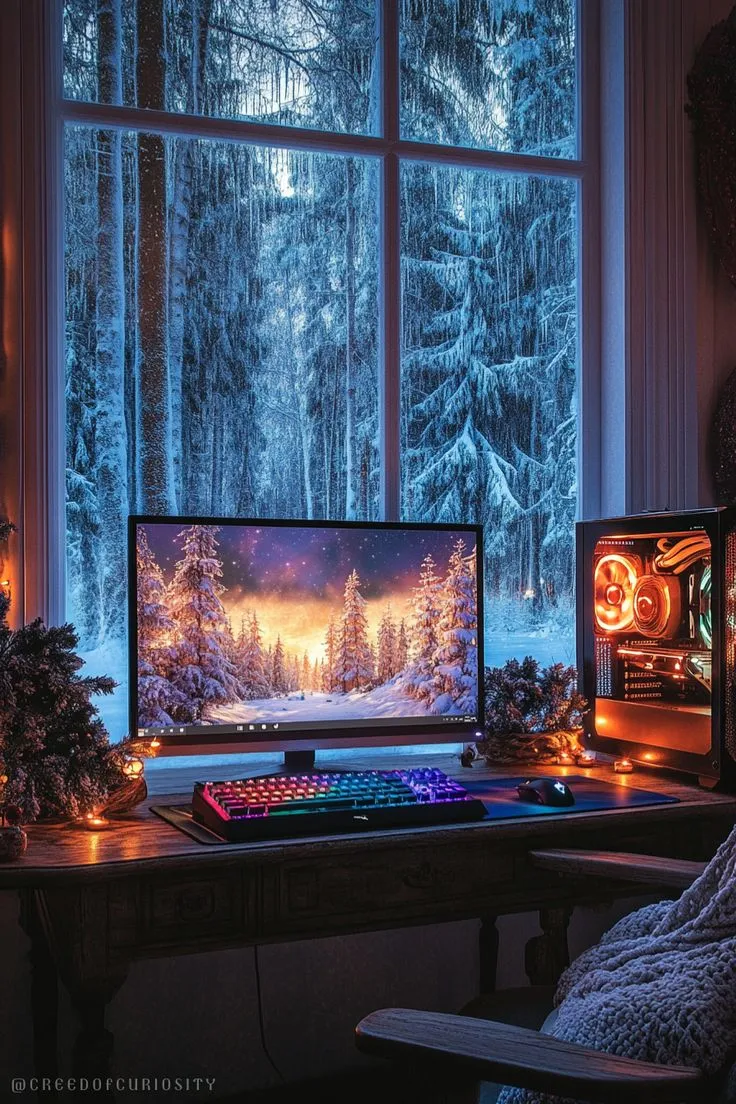
Here at SnowCait, we've spent a lot of time celebrating the cozy game movement. And honestly? We stand by that. There's something genuinely special about curling up with a warm drink, throwing on some lo-fi beats, and tending your virtual farm while a snowstorm rages outside your window.
But lately, the conversation in gaming communities has started shifting. Scroll through Reddit, Discord servers, or even the comment sections on Steam reviews, and you'll find a different kind of energy — one that's a little less wholesome. Players are frustrated. Some are burned out. And a few are outright annoyed at how much cozy gaming has taken over the cultural conversation.
So what's actually going on? Let's dig into the backlash — and try to figure out whether the critics have a point.
The Oversaturation Problem Is Real
Walk through any indie game showcase right now and you'll notice a pattern. Pastel color palettes. Cute animal characters. Fishing minigames. Slow-burn progression loops with no real stakes. These aren't bad things on their own, but when every other release is chasing the same vibe, the genre starts to feel less like a cozy corner and more like a crowded waiting room.
"I used to get genuinely excited when a new cozy game dropped," said Marcus, a 29-year-old gamer from Portland, Oregon, who's been playing since the early Stardew Valley days. "Now I see a trailer with soft music and a little cottage and I just... scroll past it. They all feel like the same game wearing different clothes."
He's not alone. Steam's indie section has seen an explosion of cozy-adjacent titles in the past few years, and while some of them are genuinely great, a significant chunk are riding the aesthetic without bringing anything new to the table. For players who were early adopters of the genre, that repetition stings.
When "Relaxing" Becomes "Boring"
There's a fine line between a game that's calming and one that's just... empty. Critics of the genre argue that too many cozy games mistake low stakes for good design — that stripping out challenge doesn't automatically create a meaningful experience.
"I get that not everyone wants Dark Souls," said Priya, a 34-year-old from Chicago who describes herself as a casual gamer. "But I also want to feel like I'm actually doing something. Some of these games feel like I'm just clicking through a to-do list. There's no tension, no story that grips me, nothing that makes me want to come back."
This is a critique that even some developers are starting to take seriously. The "cozy" label has become something of a marketing shortcut — a way to signal a certain vibe rather than a specific set of design values. And when the vibe is the whole pitch, players who want substance underneath the aesthetics are going to feel let down.
The Escapism Debate
Here's where things get a little more complicated — and a little more uncomfortable.
Some of the backlash against cozy games isn't really about the games themselves. It's about what they represent. There's a growing conversation, particularly in gaming forums and on social media, about whether cozy gaming culture encourages avoidance over engagement — whether the genre has become a way to emotionally check out rather than actually recharge.
"I went through a rough patch a couple years ago and I basically lived inside Stardew Valley for three months," one user wrote in a popular gaming subreddit thread that racked up thousands of upvotes. "At the time it felt like self-care. Looking back, I was just hiding. The game didn't help me deal with anything — it just gave me a place to not deal with it."
That's a nuanced take, and it's worth sitting with. Escapism in media isn't inherently harmful — movies, books, and games have always given people a place to breathe. But there's a difference between a healthy mental break and using comfort media as a long-term substitute for addressing real stress, anxiety, or life problems.
Some mental health advocates have started pointing this out, noting that the cozy game marketing machine often uses wellness language — "stress-free," "healing," "restorative" — in ways that blur the line between entertainment and therapy. Games aren't therapists. And positioning them that way can sometimes give players false permission to stop there.
What Developers Are Doing About It
To be fair, not everyone in the cozy game development space is ignoring these criticisms. Some studios are actively trying to push the genre forward — adding genuine narrative depth, moral complexity, or mechanical innovation while keeping the accessible, low-pressure feel intact.
Games like Spiritfarer tackled grief in ways that were genuinely emotional and challenging, even if the moment-to-moment gameplay felt gentle. Unpacking used environmental storytelling to create a surprisingly moving portrait of a person's life without a single line of dialogue. These titles prove the genre can carry real weight — it just requires developers to actually commit to that.
The question is whether the market will reward that ambition or keep gravitating toward the safest, most familiar version of the cozy formula.
So Is the Backlash Fair?
Honestly? Kind of.
The criticism that the genre is oversaturated is hard to argue with — there are genuinely too many games chasing the cozy label without earning it. The complaint about shallow mechanics also has merit, at least when applied to the weaker entries in the space.
But some of the backlash also feels like it's missing the point. Cozy games were never supposed to be for everyone. They carved out a space for players who were burned out on competition, high pressure, and constant action — and for a huge chunk of the gaming community, that space has been genuinely meaningful.
The answer probably isn't to abandon the genre. It's to hold it to a higher standard. Players deserve cozy games that are actually well-crafted, not just well-branded. Developers deserve the chance to take creative risks within the genre instead of just replicating what already sold.
What Comes Next
If the cozy game bubble bursts — or even just deflates a little — it might actually be good for the genre in the long run. Oversaturation tends to shake out the low-effort imitators and push the genuinely talented creators to differentiate themselves.
We'd love to see more cozy games that have something real to say. More titles willing to let players feel something complicated, not just comfortable. More developers who treat the aesthetic as a starting point rather than the whole destination.
Because here at SnowCait, we still believe in the power of a slow, quiet game on a cold winter night. We just think that game deserves to be worth your time.
What do you think — are you still riding the cozy wave, or have you hit your limit? Drop your take in the comments. We're genuinely curious where the community lands on this one.