One More Day in Pelican Town: How Winter Turns a Cozy Game Into an Emotional Lifeline
The Game You Always Come Back To
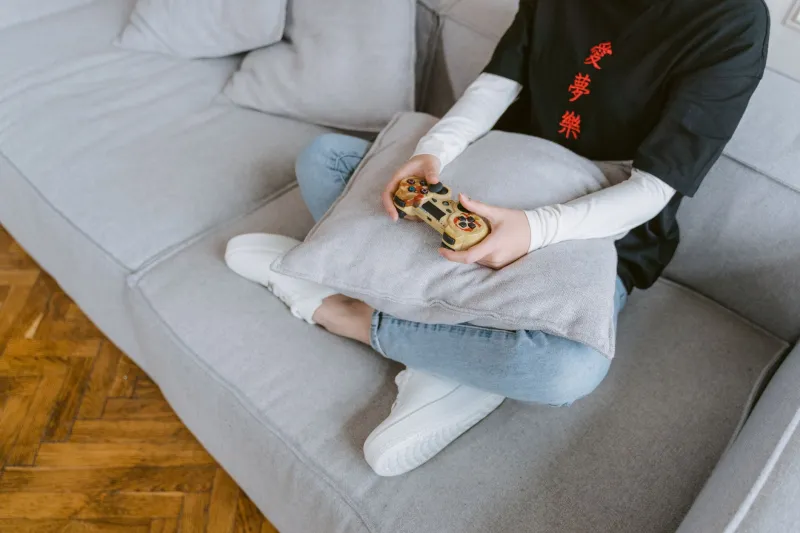
You know the one. It's not the game you're supposed to be playing. Your backlog is embarrassing. There are at least three new releases you promised yourself you'd finish before the holidays. And yet, every night when the temperature drops and the sky goes dark at 5 p.m., you find yourself right back in the same pixelated valley, watering the same virtual crops, chatting up the same townsfolk.
For millions of players across the US, winter doesn't just change the weather — it changes the game. Literally. Titles like Stardew Valley, Animal Crossing: New Horizons, Cozy Grove, and Disney Dreamlight Valley see massive spikes in playtime every single year between November and February. And it's not a coincidence.
Something specific happens to the brain during the cold, dark months. And for a lot of us, a cozy game is the thing that catches us when we start to fall.
Why Winter Hits Different
Let's be honest about what winter actually feels like for a lot of Americans. Shorter days. Colder commutes. Holidays that are equal parts joyful and stressful. For people dealing with Seasonal Affective Disorder — which the National Institute of Mental Health estimates affects about 5% of US adults — the winter months can feel genuinely heavy in ways that are hard to explain to people who don't experience it.
Even for folks who don't have a clinical diagnosis, there's a documented phenomenon sometimes called the "winter blues" — a milder dip in mood and energy that makes couch-bound evenings feel like the only reasonable option.
This is the exact environment where cozy games thrive.
"Games that offer low-stakes routine, gentle sensory rewards, and a sense of community fill a very specific psychological need," says one game-focused therapist who works with clients in the Pacific Northwest. "When someone's real world feels chaotic or isolating, a virtual world that is designed to feel safe becomes incredibly appealing. That's not a flaw — that's the game doing exactly what it was built to do."
The Comfort Loop
Here's where things get interesting — and a little tricky.
Cozy games are, by design, built around loops. Plant crops. Water crops. Harvest crops. Talk to villagers. Give a gift. Build a friendship. Upgrade your house. Start again tomorrow. These loops are satisfying not because they're challenging, but because they're predictable. In a season when real life can feel unpredictable and exhausting, that predictability is genuinely soothing.
But predictability is also how habits form. And habits, when they're tied to emotional relief, can quietly become something harder to untangle.
Players on Reddit and gaming Discord servers talk about this all the time, even if they don't always have the language for it. One user in a Stardew Valley community described it this way: "I realized I wasn't playing because I was having fun anymore. I was playing because I felt anxious if I didn't. Like I owed it to the game. Or to myself, through the game."
That's a subtle but important shift — from playing a game because it brings joy, to playing it because not playing it brings discomfort.
When Comfort Becomes a Crutch
Nobody's saying you should feel guilty for spending a Sunday in your pajamas running errands for Isabelle. That's a perfectly valid way to spend a Sunday, and don't let anyone tell you otherwise.
But there's a version of cozy game engagement that starts to work against you, and winter is exactly the season when that line gets blurry.
Game therapists and counselors who specialize in digital wellness point to a few warning signs worth knowing:
- Choosing the game over social plans repeatedly, especially when you actually wanted to go
- Using gameplay to avoid processing difficult emotions rather than just taking a break from them
- Feeling irritable or anxious when you can't play, not just disappointed
- The game stops being fun but you keep going anyway, almost on autopilot
None of these things make you broken or weird. They make you human. But they're worth paying attention to, especially during a season when isolation is already baked into the weather forecast.
"The goal is always to ask: is this game serving me, or am I serving the game?" says a therapist who incorporates gaming discussions into her practice. "There's a big difference between a tool you use intentionally and a habit you've lost conscious control over."
The Genuine Good Stuff (Because It's Real)
Here's what we're not doing: demonizing cozy games or making you feel bad for loving them. Because the comfort they provide is real, documented, and genuinely valuable.
Studies on casual gaming and stress relief consistently show that low-stakes games reduce cortisol levels, provide a sense of accomplishment, and offer social connection — even when that connection is with fictional characters. For people who live alone, who are far from family, or who are navigating a hard winter, the warmth of a beloved game town is not nothing. It's actually something.
Players share this sentiment constantly. "Stardew got me through a brutal January after a breakup," one player wrote in a gaming forum. "I know it sounds silly, but having somewhere to 'be' every night when my apartment felt too quiet kept me going."
That's not weakness. That's resourcefulness.
Finding the Balance in the Snow
So what does healthy cozy game engagement actually look like during winter? A few things seem to help:
Set a soft session limit. Not because you're punishing yourself, but because having a natural stopping point keeps you from waking up at 2 a.m. having played for five hours without realizing it.
Let the game inspire real-world things. Cook something. Go for a short walk. Reach out to a friend. Cozy games are full of small, gentle actions — let them remind you that those things feel good in real life too.
Talk about it. The SnowCait community is full of people who understand exactly what it feels like to have a comfort game. You're not the only one who's ever whispered "just one more day" at midnight in December.
Check in with yourself honestly. Are you playing because you want to, or because you don't know what else to do with the feeling you're trying to avoid? Both are okay starting points — but one of them might deserve a little more attention than the game.
Still Here, Still Playing
Winter is long. The nights are cold. And sometimes the most honest thing you can say is that a little pixel farm or a sunny island village is exactly what you needed to get through the week.
Cozy games earned their place in the winter rotation for a reason. They're warm when the world is cold. They're gentle when everything else feels sharp. And for a lot of us, they're the thing that makes January survivable.
Just remember to look up every once in a while. The real world — messy and unpredictable as it is — still has some good stuff in it too. And it'll be right there waiting when you're ready to put the controller down.
Until then? One more day in Pelican Town sounds pretty good to us.