How Stardew Valley and Animal Crossing Quietly Rewrote the Rules of Big-Budget Game Design
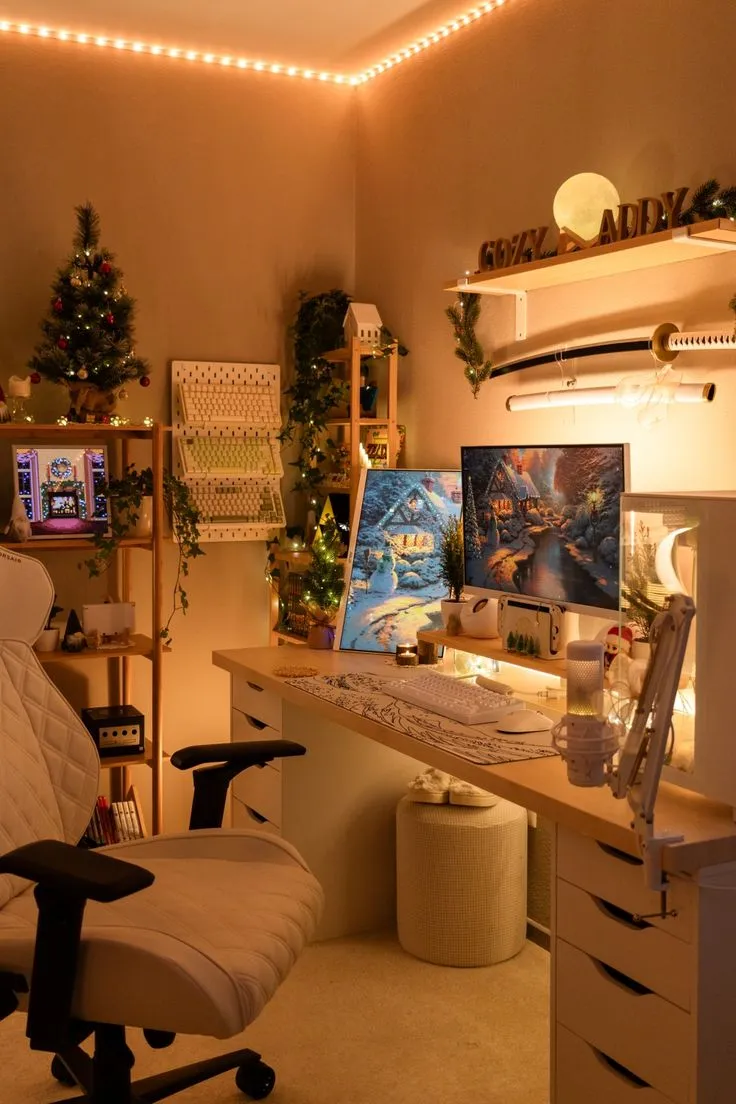
Photo: cozy gaming setup winter indie video games controller warm lights, via i.pinimg.com
Here at SnowCait, we've always had a soft spot for the kind of game you can sink into on a cold Tuesday evening with a mug of hot cocoa nearby. No pressure. No countdown timer. Just vibes. But what we didn't fully see coming — and honestly, neither did the industry — was just how deeply that energy would seep into the DNA of mainstream AAA gaming.
Because here's the thing: Stardew Valley launched in 2016 as a one-person passion project, and Animal Crossing: New Horizons dropped in March 2020 during, well, that particular moment in American history. And together, they didn't just sell millions of copies. They rewired player expectations across the entire hobby.
The Numbers That Made Publishers Pay Attention
Let's be real — game studios follow the money. And the money started telling a very interesting story around 2020 and 2021. Animal Crossing: New Horizons moved over 43 million copies. Stardew Valley crossed 20 million sales and kept climbing. These weren't niche numbers. These were numbers that made executives in suits sit up straight and start asking their creative directors some uncomfortable questions.
The uncomfortable question being: Why are players choosing to water digital crops instead of playing our $70 action game?
The answer, it turned out, wasn't that people suddenly hated action games. It was that players — especially in the US, where work culture already burns people out at a spectacular rate — were craving moments of low-stakes engagement. They wanted to feel productive without feeling pressured. They wanted progress that didn't punish mistakes.
That realization hit the industry like a snowball to the face.
AAA Studios Start Building in the Breathing Room
The ripple effects showed up in some genuinely surprising places. Take God of War: Ragnarök. Santa Monica Studio, the team behind one of gaming's most intense action franchises, built in a surprisingly thoughtful pace-breaking system. Between combat sequences, players spend real time in quiet boat rides, fishing with Mimir cracking jokes, and walking through snowy Nordic landscapes with no enemies in sight. Critics noticed. Players loved it. That deliberate decompression wasn't accidental — it was designed.
Or look at Cyberpunk 2077 post-overhaul. CD Projekt Red's massive 2.0 update and the Phantom Liberty expansion leaned harder into apartment customization, relationship-building mechanics, and quiet city exploration moments that feel lifted straight from the cozy game playbook. Night City is still dangerous, sure — but now it also has fishing spots and a functioning radio you can just... sit and listen to.
Even Assassin's Creed got the memo. AC: Mirage deliberately stripped back the bloat of its predecessors and returned to a more focused, almost meditative pacing. And AC: Nexus included photography modes and world-appreciation mechanics that feel more Animal Crossing than Ubisoft open-world checklist.
The 'Cozy Mode' Conversation
One of the most fascinating developments has been the growing industry conversation around accessibility and difficulty options — and how cozy game design philosophy is quietly driving it. Developers are increasingly building in what some internally call "story modes" or "exploration modes," but players have started calling them cozy modes, and the label is sticking.
Diablo IV, of all games, introduced seasonal content and town-building elements that gave players a reason to slow down between demon-slaughtering sessions. Final Fantasy XVI shipped with a "Story Focus" mode that essentially lets you experience the narrative without engaging heavily with combat — a design choice that would have seemed bizarre five years ago for a mainline FF title.
The pattern is clear: studios are no longer designing exclusively for the player who wants maximum challenge. They're building for the player who wants to exist in the world of the game, not just conquer it.
What Cozy Games Actually Taught the Industry
It's worth unpacking why Stardew Valley and Animal Crossing were so effective, because it goes beyond just being relaxing. These games mastered something AAA studios historically struggled with: meaningful low-stakes progress.
In Stardew, every day ends. Your crops grow. Your relationships deepen. You always feel like you accomplished something, even if you spent the whole session just decorating your farmhouse. There's no failure state screaming at you. That psychological safety net keeps players engaged for hundreds of hours.
Animal Crossing took it further by tying gameplay to real-world time. The game existed alongside your life rather than competing with it. That's a radical design philosophy — and it works.
AAA studios are now reverse-engineering those principles into genres where they never previously existed. The result is games that feel more human, more hospitable, and frankly more fun for a wider range of players.
What This Means for the Future of Gaming
We're genuinely in a transitional moment for the industry. The old binary — hardcore vs. casual — is dissolving. Players don't want to choose between depth and comfort. They want both, sometimes in the same session.
The studios that figure this out are going to build the most loyal player communities going forward. Because here at SnowCait, we know something that any cozy game fan already understands instinctively: the games you remember most aren't always the ones that challenged you the hardest. Sometimes they're the ones that made you feel at home.
And as winter settles in and the nights get longer, that feeling matters more than ever. Whether you're replaying Stardew for the fifth time or diving into the latest AAA release that somehow has a fishing minigame now — you've got options. Cozy ones.
The big studios finally caught up. And honestly? We're here for it.