Why Winter Turns Every Gamer Into a Different Kind of Player
Photo: Stefanpavelka, CC BY 4.0, via Wikimedia Commons
There's a specific kind of magic that happens when the first real cold front rolls through and you realize you have absolutely nowhere to be. The blanket comes out. The hot drink gets made. And suddenly, that 80-hour RPG you've been avoiding since last spring looks like a perfectly reasonable Saturday plan.
Winter does something to us. Not just physically — though yes, staying inside more is a factor — but psychologically. The season has a way of reshaping our entire relationship with games, from the genres we gravitate toward to how patient we're willing to be with a difficult mechanic. If you've ever noticed that your gaming habits feel fundamentally different in January than they do in June, you're not imagining it.
The Science Behind the Seasonal Shift
Psychologists have long studied how reduced daylight affects human mood and motivation. Shorter days mean less serotonin production and often a natural pull toward comfort-seeking behaviors. For gamers, that translates pretty directly into a preference for slower, more nurturing experiences — think farming sims, narrative adventures, and open-world explorers over fast-paced competitive shooters.
Dr. Anya Reeves, a behavioral researcher who studies leisure habits, puts it simply: "In winter, people aren't just looking for entertainment. They're looking for warmth — and that extends to the emotional texture of the media they consume. Games that feel safe, rewarding, and low-stakes become much more appealing when the outside world feels hostile."
That tracks with what a lot of gamers describe without even realizing there's a psychological framework behind it. You're not being lazy by switching off ranked mode for three months. You're literally responding to your biology.
Speedrunners Who Slow Down
Here's where it gets interesting. Even players who thrive on competition and precision often report a noticeable change in their winter playstyle. Marcus, a Twitch streamer based in Minnesota who runs a modest but dedicated community around action-platformers, says he basically becomes a different content creator once November hits.
"I spend most of the year doing challenge runs, trying to shave seconds off my times, going hard on the competitive stuff," he told us. "But every winter I end up doing these long, chill playthroughs of games I've never touched. Last year I spent two months just wandering around in Red Dead Redemption 2 doing side quests. My chat loved it. I loved it. It felt like a vacation."
His viewers didn't just tolerate the pace change — they showed up more. There's something about slow, atmospheric gaming content in winter that draws people in. It mirrors what they're doing themselves.
The Rise of the Winter Backlog Ritual
For a huge chunk of the gaming community, winter is synonymous with one thing: finally tackling the backlog. Steam sales, holiday gift cards, and the general vibe of having permission to stay inside all conspire to turn January into the month of ambitious gaming intentions.
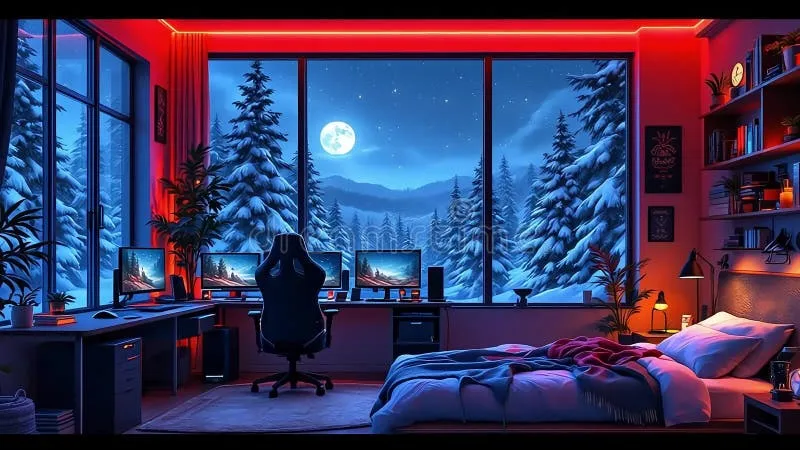
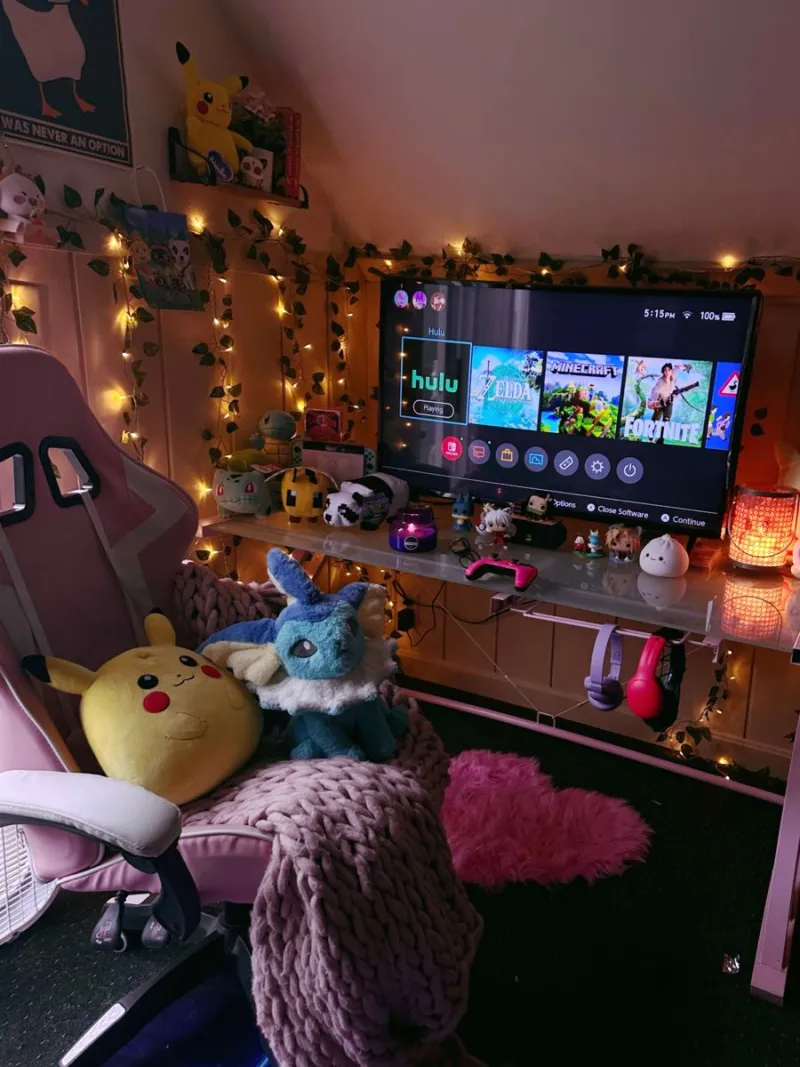
But the ritual goes deeper than just picking a game. Many players describe elaborate setups — the right snacks, the right lighting, the right playlist running in the background. Jamie, a college student in Ohio who games about 15 hours a week during winter break, describes her setup with genuine enthusiasm: "I have this whole thing where I make a big mug of chai, put on fairy lights, and start a new save file. It feels like a ceremony. Like I'm officially entering winter mode."
That sense of ritual matters. It creates psychological permission to invest deeply in something, to commit to a 60-hour game without guilt. The cozy setup isn't just aesthetic — it's a signal to your brain that it's okay to slow down and actually be somewhere for a while.
Difficulty Settings Get a Winter Makeover
One of the most telling winter gaming behaviors? The sudden willingness to drop the difficulty slider.
Players who would never touch Story Mode in August find themselves happily cruising through on Easy in December, and they're not apologetic about it. This isn't a skill issue — it's a vibe issue. When the goal shifts from conquering a challenge to experiencing a world, the difficulty setting that gets you there fastest starts looking pretty attractive.
Conversely, some players go the opposite direction. Winter's long, uninterrupted evenings give people the bandwidth to finally sit with something genuinely hard. Games like Elden Ring or Hollow Knight — titles that demand patience and repetition — often see surges in new players during winter months precisely because people finally have the time and mental space to engage with that kind of learning curve.
Both instincts make sense. Winter expands your gaming time, and what you do with that extra space says a lot about what you need from games right now.
Community as Part of the Ritual
It's worth noting that winter gaming rarely happens in isolation, even when you're physically alone. Discord servers, Reddit threads, and Twitch chat all see increased activity during winter months. Shared gaming experiences — even asynchronous ones, like comparing notes on the same RPG — scratch the same social itch that summer barbecues and outdoor hangouts normally satisfy.
Streamers often describe winter as their most engaged season. Audiences are bigger, chat is more active, and the parasocial warmth of watching someone else play feels especially meaningful when it's 14 degrees outside and the sun set at 4:30 PM.
For a lot of people, following a streamer through a long winter playthrough becomes its own kind of ritual. You tune in every night, you watch the story unfold, you become part of a shared experience. That's community-building through gaming culture, and winter is when it thrives.
Building Your Own Winter Gaming Identity
If you haven't thought consciously about your winter gaming habits before, this is actually a fun thing to reflect on. What do you reach for when the weather turns? Are you a slow-burn RPG person? A cozy sim devotee? Someone who finally commits to the intimidating games they've been putting off?
There's no wrong answer — and that's kind of the whole point. Winter gives you permission to play differently. To care less about efficiency and more about experience. To light some candles, make something warm to drink, and just be in a game for a while.
The speedruns will still be there in spring. For now, maybe wander around in that open world a little longer. Take the scenic route. Let the snow fall outside while you lose yourself somewhere completely different.
That's the winter gaming ritual. And honestly? It's one of the best parts of the season.