The Rise of Cozy Games: Why Millions of Players Are Choosing Calm Over Chaos
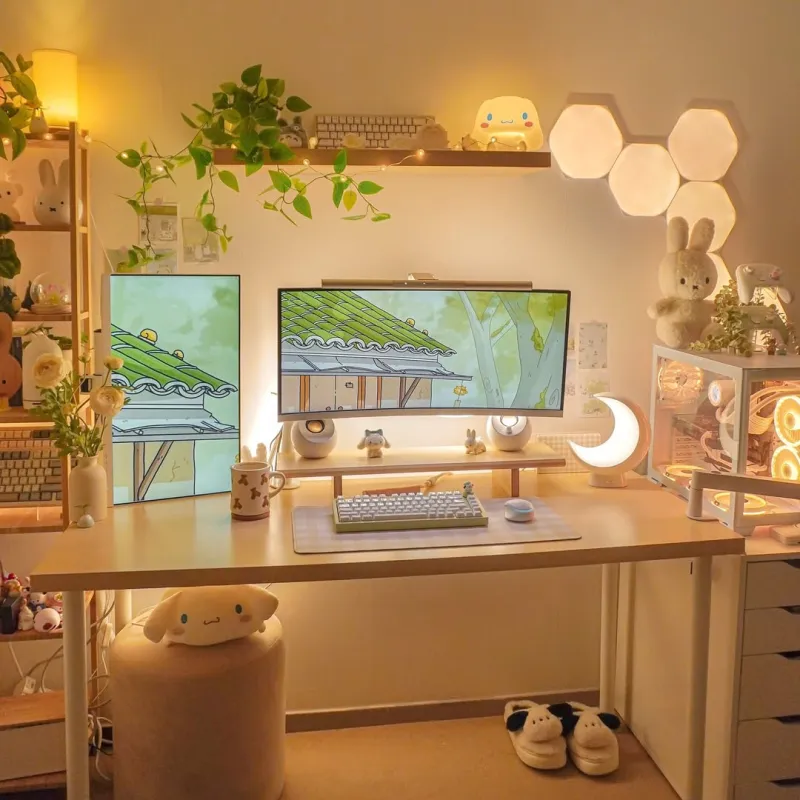
Photo: cozy gaming setup with warm lighting plants and controller, via i.pinimg.com
There's something happening in gaming right now that feels a little like a collective exhale. After years of battle royales, punishing soulslike difficulty spikes, and competitive multiplayer seasons that never seem to end, a growing wave of players is turning toward something softer. Something warmer. Something that feels less like a job and more like curling up under a weighted blanket with a mug of hot cocoa.
Welcome to the cozy game era — and trust us, it's not going anywhere.
So, What Even Is a Cozy Game?
If you've never heard the term, don't worry — it's one of those labels that gaming culture kind of invented organically, and the definition is still a little fuzzy around the edges. Generally speaking, cozy games prioritize low-pressure gameplay, gentle aesthetics, and a sense of personal progression that doesn't punish you for taking your time. Think pastel color palettes, cheerful soundtracks, and mechanics built around tending, collecting, crafting, or creating.
Stardew Valley is probably the most famous example in the US market. Eric Barone — aka ConcernedApe — built the entire game solo over four years, and it quietly became one of the best-selling indie titles of all time. Animal Crossing: New Horizons dropped in March 2020 at what turned out to be the exact moment millions of Americans were stuck at home, and the timing felt almost cosmically intentional. And more recently, titles like A Little to the Left, Unpacking, and Spiritfarer have pushed the genre into genuinely emotional territory that bigger-budget games rarely explore.
The Psychology Behind the Appeal
Here's where it gets interesting. Players and researchers alike have started paying closer attention to why cozy games hit differently, and the answers say a lot about where we are as a culture right now.
For starters, there's the concept of autonomy without consequence. In most cozy games, you're in control of your own little world. Your farm, your island, your apartment — whatever the game gives you, it's yours, and nothing bad happens if you don't play for a week. That's a genuinely radical design philosophy compared to live-service games that guilt-trip you with daily login streaks and limited-time events.
Then there's the role of mastery at your own pace. Cozy games tend to teach you things gradually, rewarding curiosity rather than demanding precision. You're not going to fail a level. You're not going to get kicked from a raid group. You're just going to plant some turnips and see what happens. For players dealing with anxiety, burnout, or just the general chaos of adult life in 2024, that kind of stakes-free sandbox is legitimately therapeutic.
Some developers have started talking openly about designing for emotional safety. Finji, the studio behind Chicory: A Colorful Tale, has spoken about wanting their game to be something players could return to after hard days without feeling overwhelmed. That intentionality is showing up more and more in how cozy games are built from the ground up.
2024 Has Been a Genuinely Great Year for the Genre
If you've been paying attention to indie gaming this year, you've probably noticed the cozy space is absolutely thriving. Titles are coming out faster than most of us can keep up with, and the quality bar keeps rising.
A few standouts that deserve your attention:
- Luma Island — a charming new farming sim with co-op support that's scratching the Stardew itch for a lot of players who've already put in hundreds of hours on the original
- Minami Lane — a tiny, delightful lane-management game where you build a street and make neighbors happy. It's shorter than most, but incredibly satisfying
- Botany Manor — you play as a botanist figuring out the conditions each plant needs to bloom. It's puzzle-y, it's peaceful, and the English countryside setting is absolutely gorgeous
- Creatures of Ava — leans a little more into adventure, but the creature-befriending mechanics and lush world design keep it firmly in cozy territory
None of these are household names yet, but that's kind of the magic of this genre. Discovery feels personal. When you find a cozy game that clicks for you, it genuinely feels like stumbling onto a secret.
Cozy Gaming Is Changing What "Fun" Looks Like
This is maybe the most interesting part of the whole conversation. For decades, the dominant narrative in gaming — especially in American gaming culture — was that challenge was the point. Difficulty was a badge of honor. If a game was easy or relaxing, it wasn't taken seriously.
Cozy games are quietly dismantling that idea, and the numbers back it up. Stardew Valley has sold over 30 million copies. Animal Crossing: New Horizons moved more than 43 million units worldwide. These aren't niche numbers. These are blockbuster numbers, achieved by games that never once ask you to git gud.
Game journalists and critics are catching up, too. Publications that once dismissed farming sims as casual fluff are now writing long-form pieces about the emotional depth of Spiritfarer or the meditative quality of a well-designed cozy loop. The conversation has shifted, and it's not shifting back.
Why Winter Is the Perfect Season to Dive In
Okay, here at SnowCait, we obviously have a soft spot for anything that pairs well with cold weather and hot drinks — it's kind of our whole thing. And cozy games are made for this time of year.
There's something about the shorter days and the instinct to stay inside that makes the appeal of a warm, low-pressure game world feel even stronger. Firing up Stardew Valley when there's snow on the ground outside and you've got nowhere to be? That's not just gaming. That's a whole vibe.
If you've been cozy-game-curious but haven't taken the plunge yet, winter is honestly the perfect entry point. Start with something small — Minami Lane, for example, can be finished in an afternoon. Or go big and commit to Stardew Valley, which will absolutely eat the next three months of your life in the best possible way.
The Takeaway
Cozy games aren't a trend that's going to fade when the next big shooter drops. They're filling a genuine need that a lot of players didn't even know they had — for rest, for creative expression, for a kind of fun that doesn't leave you stressed out at 2 AM.
The genre is growing, the developers are getting more ambitious, and the community around these games is one of the warmest corners of gaming culture you'll find anywhere online. Whether you're a longtime fan or just now hearing the term for the first time, there's never been a better moment to pull up a chair, pour something warm, and let a cozy game do its thing.
We'll see you in the turnip patch. 🌱